
2026-10-11 ·
Ice Dams: Why They Cause Leaks & How to Stop Them
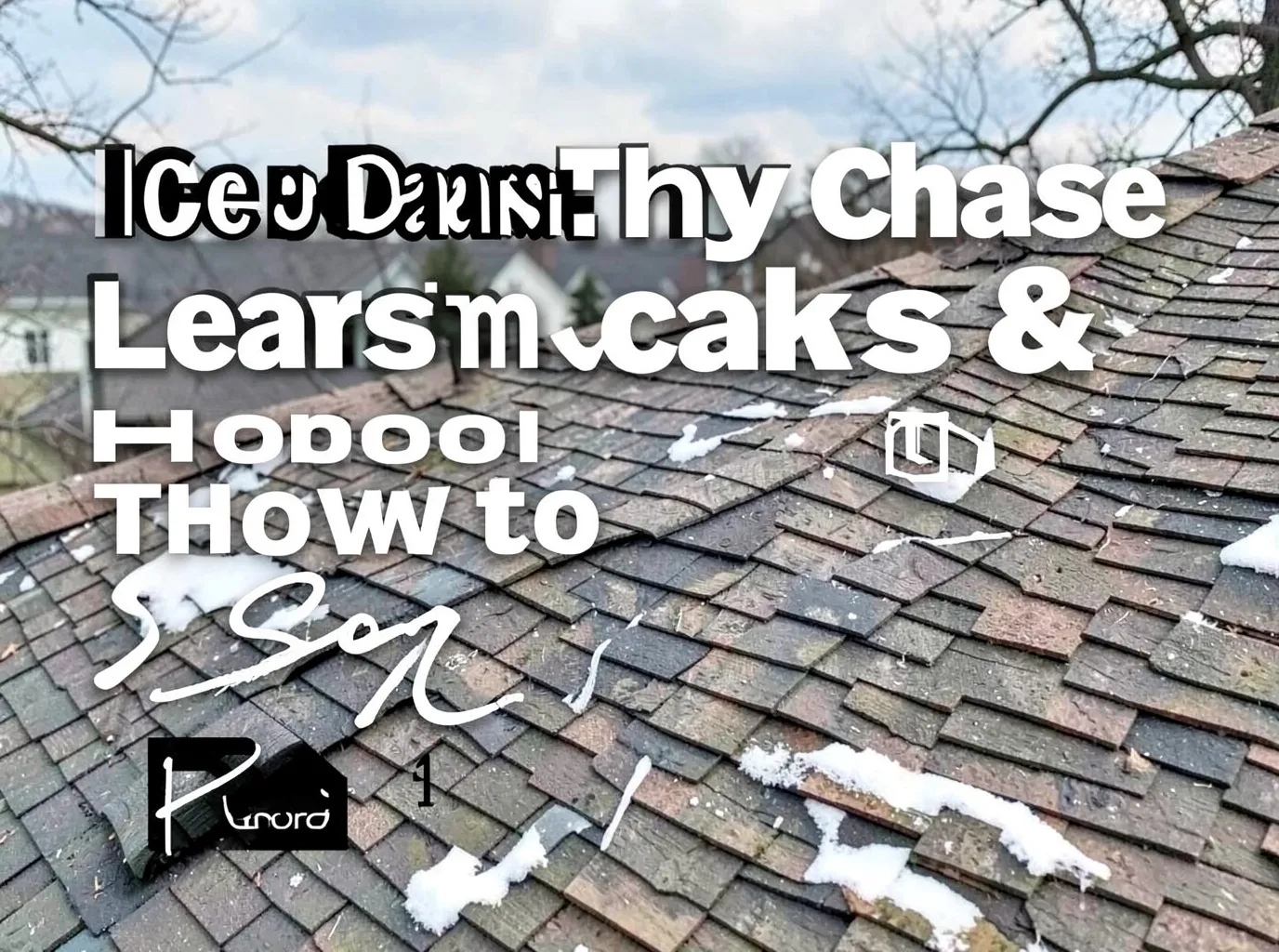
Ice dams cause leaks when attic heat melts snow on the upper roof, allowing water to run down and refreeze at the cold eaves, where it backs up under shingles. In Peoria this process starts once winter temperatures drop below freezing for several nights in a row, especially on homes built before 1970 in areas such as West Bluff and Downtown Peoria.
Why Ice Dams Form in Peoria Winters
Peoria sits in a humid continental climate with cold winters that bring repeated freeze-thaw cycles. Heat escaping through older attic insulation melts snow on the roof deck above living spaces, while the overhang stays at outdoor temperatures. The resulting meltwater flows to the gutter line and refreezes, building a dam that traps more water behind it. Homes along the Peoria Riverfront and in North Valley often see this because many retain original knob-and-tube wiring and single-pane windows that let more heat rise to the attic. East Peoria and Pekin roofs experience the same pattern when wind from the Illinois River keeps eaves colder than the main roof surface.
How Ice Dams Force Water Under Shingles
Once the dam reaches two to three inches high, water pressure pushes beneath the shingle tabs and past the felt underlayment. On 30- to 50-year-old homes common in the West Bluff and Moss-Bradley, this water travels along rafters and soaks drywall ceilings within 24 to 48 hours. The leak often appears first around chimneys or valleys because those spots already have more heat loss. In Peoria County, the combination of steep roof pitches on two-story brick houses and narrow overhangs makes the problem worse than on newer ranch homes in Washington or Morton.
Steps to Prevent Ice Dams on Local Roofs
Start by sealing attic bypasses around recessed lights, plumbing stacks, and attic hatches to keep heat from reaching the roof deck. Add R-49 insulation if the current level is below R-30, a common shortfall in Downtown Peoria and University East homes. Improve ventilation with continuous ridge vents and soffit intake so the roof deck stays within a few degrees of outdoor air. Keep gutters and downspouts clear of maple leaves and debris so meltwater can drain instead of pooling at the eaves. These measures reduce ice-dam formation on most Peoria roofs without needing heat cables.
Safe Ice Dam Removal and When to Seek Help
Use a roof rake from the ground to clear the first three feet of snow above the gutters before temperatures rise above freezing. Avoid metal tools that can tear shingles or damage flashing. For dams already formed, apply calcium chloride in mesh stockings placed on the roof rather than chopping with axes. When water has already reached interior ceilings or multiple leaks appear after a January thaw, contact professionals for ice dam removal and prevention. Homes in Averyville or Grandview Drive with slate or tile roofs require extra care to avoid cracking during removal.
When Leaks Have Already Started
If brown stains appear on ceilings after an ice event, schedule a roof leak detection and inspection before the next freeze. Temporary emergency roof tarping can protect contents until permanent flashing repairs are completed. Owners in Bartonville and Chillicothe often combine this work with gutter downspout repairs to stop future water intrusion at the same locations.